


Make an appointment online or by phone

📧 contact@lechiro.fr

📞+334 76 51 16 09

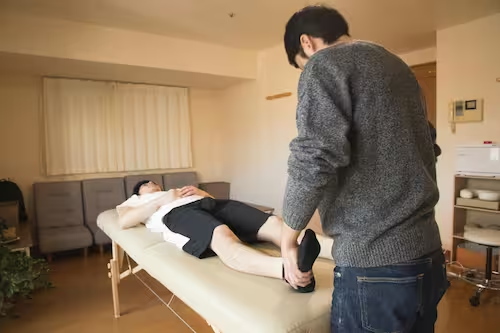
Chiropractic adjustment of a patient

How does a consultation go?

The body already has all the answers

Your care journey, step by step

From the first listening to the lasting adjustment, each session plays a specific role.

Your care journey, step by step

First meeting: tracing back to the source

During this first session, we analyze your health journey using your experiences, medical exams (X-rays, MRIs...) and your feelings. This is the starting point to understand your needs.

Your care journey, step by step

Follow-up sessions: your body guides the session

From the second session onwards, your body expresses what it needs. Using the ABC method (Advanced BioStructural Correction), we know exactly which corrections to make, without force.

Your care journey, step by step

Regular check-ups: aiming for balance

We take the time to evaluate progress every 5 sessions, discuss how you're feeling, and adjust, if necessary, certain daily habits.

Histoire

The ABC Method in Chiropractic: Advanced Biomechanical Correction

Session Flow to Restore Postural Balance and Relieve Tensions

A chiropractic session using the ABC method (Advanced Biomechanical Correction) usually starts with a thorough assessment of the patient's posture and mobility. The chiropractor begins by observing body alignments and performing specific tests to identify musculoskeletal imbalances and biomechanical dysfunctions.

Based on the results, they use a hands-on approach to correct subluxations and adjust the joints, focusing on areas with abnormal stress.

A subluxation occurs when a bone or joint is slightly out of place, which can hinder the body or cause pain.

The ABC method stands out for its use of very precise adjustments, often gentler than those of other chiropractic techniques. These adjustments are performed with controlled movements tailored to the individual needs of the patient. The goal is to restore optimal nervous system function and improve posture, which can lead to pain reduction, increased mobility, and better overall well-being.

At the end of the session, the chiropractor may provide lifestyle advice to help maintain the progress achieved.

Which conditions can chiropractic help with?

Chiropractic care can be beneficial for treating a variety of conditions, especially those affecting the musculoskeletal and nervous systems. Below are the main conditions where it can provide relief and improvement.

Spinal pain

  • Osteoarthritis and arthritis

    Chiropractic helps reduce joint pain related to osteoarthritis by improving joint mobility and reducing inflammation.

  • Whiplash

    Chiropractic adjustments help relieve pain associated with whiplash by restoring neck alignment and reducing muscle tension.

  • Pain between the shoulder blades

    Pain between the shoulder blades can be relieved through spinal manipulations and paravertebral muscle adjustments to restore posture and reduce tension.

  • Neck pain

    Chiropractic care can relieve cervical pain by addressing underlying spinal issues and releasing muscle tension.

  • Lumbago

    Chiropractic treatment helps alleviate acute lower back pain by correcting spinal misalignments and improving lower back function.

  • Torticollis

    Chiropractic effectively treats torticollis by realigning the cervical vertebrae and reducing muscle tension that restricts neck movement.

  • Back pain

    Chiropractic adjustments can reduce chronic back pain by correcting postural imbalances and restoring spinal alignment.

  • Herniated disc

    Chiropractic offers effective treatment for herniated discs by relieving pressure on the nerves and improving spinal function.

  • Scoliosis

    Chiropractic care can help slow the progression of scoliosis and improve posture and mobility.

  • Spondylolisthesis

    Chiropractic can alleviate pain caused by spondylolisthesis by restoring vertebral alignment and reducing nerve pressure.

Neurological disorders

  • Sciatica

    Chiropractic adjustments can relieve sciatica pain by reducing nerve pressure and improving lower back mobility.

  • Femoral nerve pain

    Chiropractic can be beneficial for treating femoral nerve pain by alleviating pressure on the lower back and thigh nerves.

  • Cervical brachial neuralgia

    Chiropractic helps reduce pain from cervical brachial neuralgia by improving cervical spine alignment and decreasing nerve pressure.

  • Intercostal neuralgia

    Chiropractic care can reduce intercostal pain by realigning the spine and relieving tension on the intercostal nerves.

  • Headaches / Migraines

    Chiropractic adjustments are effective in relieving migraines by reducing neck tension and improving spinal alignment.

  • Dizziness

    Dizziness can be alleviated by chiropractic care by correcting cervical spine imbalances and improving blood flow to the head.

  • Neuroalgodystrophy

    Chiropractic can help treat neuroalgodystrophy by relieving nerve pain and rebalancing the nervous and muscular systems.

Peripheral pain

  • Shoulder, hip, knee issues...

    Chiropractic can relieve joint pain by realigning joints and reducing muscle tension around them.

  • Carpal tunnel syndrome

    Chiropractic adjustments can reduce median nerve compression and alleviate carpal tunnel symptoms.

  • Bursitis

    Chiropractic care can be effective in reducing inflammation of the synovial bursae and relieving bursitis pain.

  • Tendinitis Epicondylitis (tennis elbow or golfer's elbow)

    Chiropractic treats tendinitis and epicondylitis by reducing inflammation and improving the function of affected muscles and tendons.

  • Arthritis joint pain, Sprains

    Chiropractic can reduce pain caused by arthritis and sprains by improving range of motion and relieving joint pressure.

Stress-related disorders

  • Psoriasis

    Chiropractic care can help reduce psoriasis symptoms by lowering stress levels and rebalancing the nervous system.

  • Eczema

    Chiropractic can reduce inflammation associated with eczema and improve stress management, contributing to better symptom control.

  • Sleep disorders

    Chiropractic helps improve sleep quality by reducing muscle tension and promoting better nerve circulation.

  • Concentration problems

    Chiropractic adjustments can improve concentration by rebalancing the nervous system and reducing mental and physical tension.

  • Fatigue

    Chiropractic can help combat fatigue by restoring optimal nerve and muscle balance, reducing stress and tension.

  • Sports performance

    Chiropractic care can improve sports performance by optimizing nervous system function and reducing pain and injuries related to physical activity.

  • Well-being and quality of life

    Chiropractic adjustments contribute to improving quality of life by reducing pain, increasing mobility, and decreasing overall stress.

Organic disorders

  • Asthma and asthmatic bronchitis

    Chiropractic can improve breathing by optimizing lung function and reducing tensions in the respiratory system.

  • Ear infections

    Chiropractic care can relieve ear infections by reducing tension in the nerves and tissues around the ears.

  • High blood pressure

    Chiropractic adjustments can help lower blood pressure by rebalancing the autonomic nervous system and reducing stress.

  • Frequent infections

    Chiropractic can support the immune system and help prevent frequent infections by rebalancing the nervous system.

  • Chronic constipation

    Chiropractic care can improve digestive function and relieve constipation by realigning vertebrae that affect digestion.

Women

  • Premenstrual syndrome

    Chiropractic adjustments can reduce symptoms of premenstrual syndrome, such as abdominal pain, headaches, and mood swings.

  • Dysmenorrhea

    Chiropractic helps relieve menstrual pain by reducing tension in the pelvic area and balancing the nervous system.

  • Pregnancy

    Chiropractic offers care tailored to pregnant women to improve posture, reduce lower back pain, and support a healthy pregnancy.